Most Hacked Phones: Why Older Androids Get Hit
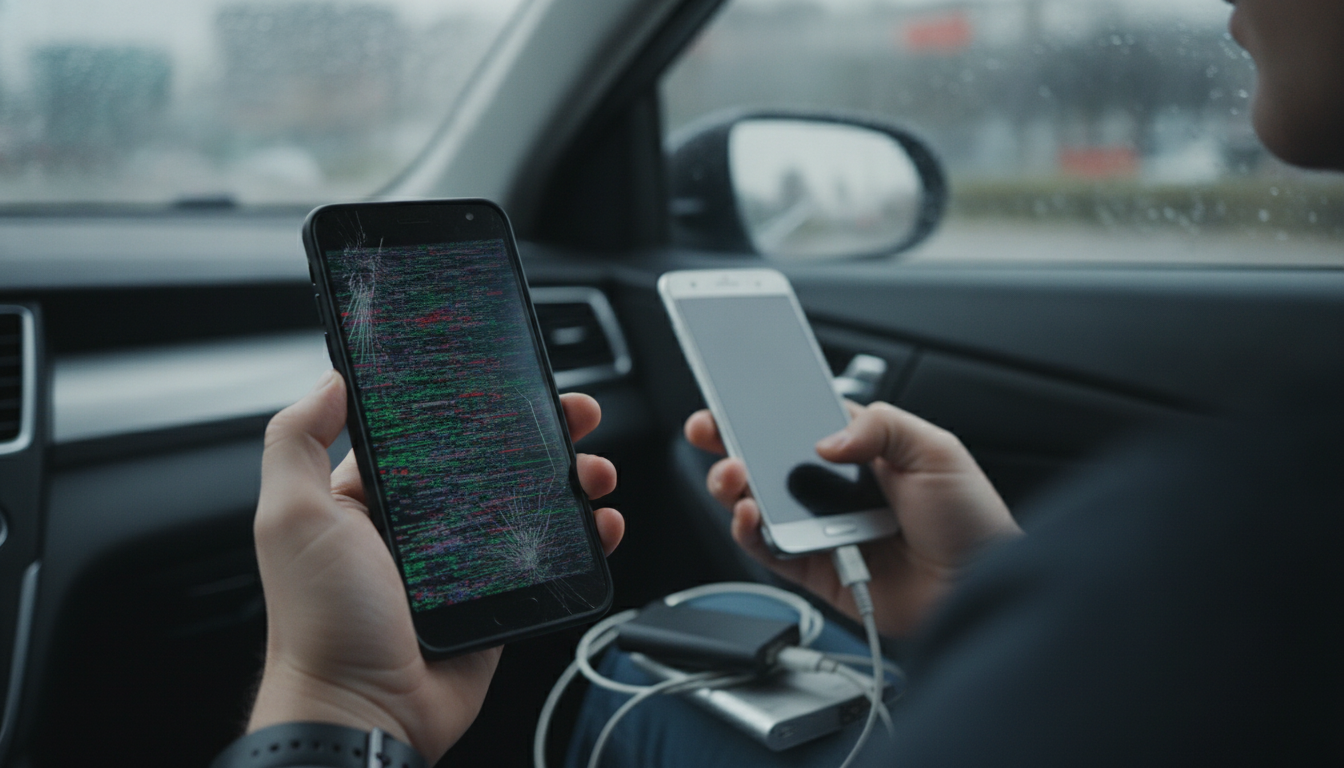
What is the most hacked phone?
There isn’t a single, provable “most hacked phone” model because attacks change quickly and many incidents aren’t publicly reported. In practice, the phones that get hacked most often are the ones with the largest user bases and the slowest security patch adoption—because attackers focus on scale and known, unpatched vulnerabilities.
That usually means older or budget Android phones running outdated versions of Android or missing monthly security updates. Android’s wide device variety can create gaps in long-term patch support, so older models and low-cost devices that stop receiving updates become easier targets over time. By contrast, iPhones generally receive longer, more consistent OS and security update support across models, which can reduce exposure to known issues—though iPhones can still be hacked through phishing, malicious profiles, stolen credentials, or sophisticated exploits.
Why popular and older phones get targeted
Attackers typically prioritize:
- High volume: A widely used device line offers more potential victims.
- Unpatched software: Known flaws are easier to exploit when updates aren’t installed or aren’t available.
- Risky app sources: Sideloaded apps, unofficial stores, and “modded” APKs increase malware risk.
- Weak account security: Reused passwords and no two-factor authentication make takeovers easier than device-level hacking.
How to reduce the chance your phone gets hacked
Keep your OS and apps updated, install apps only from official stores, review app permissions, and turn on two-factor authentication for your Apple ID/Google Account and email. Avoid clicking unexpected links in texts or DMs, and use a screen lock plus device encryption (enabled by default on most modern phones).
If you’re shopping for a safer daily driver, prioritize long-term updates, battery health, and overall value. A practical checklist is here: phone buying checklist for budget, camera, battery, and value.
FAQ
How can I tell if my phone has been hacked?
Common signs include sudden battery drain, overheating when idle, unusual data usage, random pop-ups, or new apps you didn’t install. Also watch for account alerts, password reset emails you didn’t request, and calls/texts sent from your number without your action.










Leave a comment