How Often to Bathe Dogs & Cats: Easy Grooming Checklist
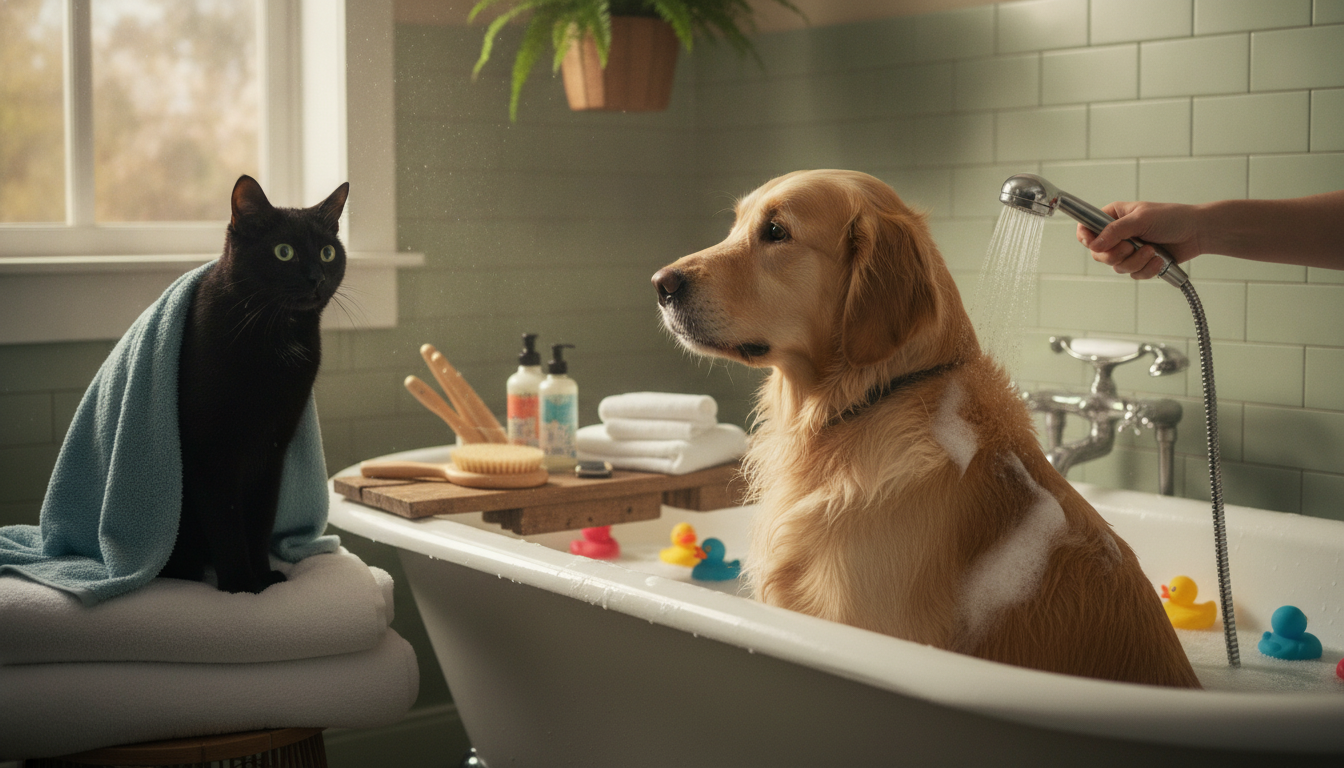
How Often to Bathe Your Pet: A Simple Grooming Checklist for Dogs and Cats
Bath time should support healthy skin and a clean coat without drying your pet out. The right schedule depends on species, coat type, lifestyle, and any skin conditions. Use the guidance below to pick a routine that keeps your pet comfortable, reduces shedding and odor, and makes grooming easier week to week. For more guidance, see How Often Should You Bathe Your Pet.
What changes how often a pet needs a bath
- Coat type: Short coats often need fewer baths, while long or dense coats can trap dirt, pollen, and oil closer to the skin.
- Skin sensitivity: Pets with allergies, dermatitis, or frequent itching may need medicated bathing routines prescribed by a veterinarian (and a specific frequency).
- Lifestyle: Swimming, hiking, dog parks, rolling in dirt, and city pollution can all increase how often bathing (or at least rinsing) is helpful.
- Age and health: Puppies/kittens and seniors can chill more easily, and pets with chronic illness may do better with gentler, shorter baths and warmer drying.
- Odor source: Typical “dog smell” is often natural skin oil plus bacteria on the coat. A sudden strong odor can also point to ear, dental, or skin issues that need attention.
Bathing frequency guide by pet and coat
As a baseline, many healthy dogs do well with a bath every 4–8 weeks, while most cats rarely need baths because they self-groom. Coat type shifts that range: double coats usually need fewer full baths (more brushing instead), while curly/wavy coats often need more frequent bathing and conditioning to prevent matting. For further reading, see How Often Should I Give My Pet a Bath?.
For more general grooming background, see the American Kennel Club’s dog grooming basics and the ASPCA’s cat grooming guidance.
Quick bathing schedule (typical ranges for healthy pets)
| Pet / Coat Type | Common Range | Notes |
|---|---|---|
| Dog, short coat | Every 6–12 weeks | Spot-clean between baths; brush weekly to lift dirt and loose hair. |
| Dog, medium/long coat | Every 4–8 weeks | More brushing reduces the need for frequent full baths. |
| Dog, curly/wavy coat | Every 3–6 weeks | Prioritize conditioning and detangling; keep ears and folds dry. |
| Dog, double coat | Every 8–12 weeks | Avoid stripping oils; use thorough rinse and high-velocity drying if available. |
| Cat, short/medium coat | As needed | Most cats only need occasional baths for messes or special circumstances. |
| Cat, long coat | Every 6–12 weeks or as needed | Bathing can help with grease/mats, but brushing is the main maintenance tool. |
| Hairless dog/cat | Every 1–2 weeks (often) | Use mild cleanser; moisturize only if vet-approved to avoid clogging pores. |
A practical grooming checklist (between-bath routine)
Bath frequency gets easier to manage when the in-between routine is consistent. A few minutes here and there often prevents the “sudden emergency bath” later.
- Daily (1–5 minutes): Quick coat check for burrs, tangles, hotspots, ticks, and debris; wipe paws after walks.
- 2–4× weekly: Brush or comb (more often for long coats); focus on friction zones like collar area, armpits, and behind ears.
- Weekly: Inspect ears and clean only if needed with a vet-recommended cleanser; never use cotton swabs deep in the ear canal.
- Weekly: Dental care (brushing is ideal). Dental chews can help, but they don’t replace brushing.
- Every 2–4 weeks: Trim nails or grind; check paw pads for cracks, redness, or foreign objects.
- As needed: Sanitary trims, tear-stain wipe-downs, wrinkle/fold cleaning (dry thoroughly).
How to tell it’s time for a bath (and when to wait)
- Time for a bath: Visible dirt or residue, a sticky/greasy feel, lingering odor after brushing, allergy-season pollen on the coat, contact with mud/salt/chlorine, or a mild “film” on hands after petting.
- Consider a rinse or wipe instead: Light dust, mild odor localized to paws, or quick cleanup after rain.
- Wait and brush first: Loose undercoat, mild shedding, or small tangles often improve with a thorough brush-out.
- Get veterinary advice first: Persistent itching, scabs, hair loss, red “hot spots,” a strong yeast-like odor, or recurring ear infections.
Bath basics that prevent dry skin and “post-bath stink”
For additional context on skin and coat care, the Merck Veterinary Manual overview is a helpful reference.
Special situations: allergies, fleas, and messy emergencies
A simple monthly plan to keep on track
Printable checklist for bath day
Helpful guides from our shop
- How Often to Bathe Your Furry Friend – Easy Pet Grooming Checklist | How Often to Bathe Pets Guide
- Wear What Works Together – Color Matching Guide for Outfits, Personal Style, and Confident Everyday Dressing | Digital Download
FAQ
Can a dog be bathed too often?
Yes. Over-bathing can dry skin and dull the coat. If itching, dandruff, or redness increases after baths, extend the interval, focus on brushing and spot-cleaning, and switch to a gentler pet shampoo; get veterinary guidance if symptoms persist.
Do indoor cats need baths?
Usually not. Most indoor cats self-groom effectively, so baths are typically reserved for sticky messes, medical grooming needs, parasite issues, or coat problems that brushing can’t manage.
What should be done if a pet smells bad again right after a bath?
First, check for incomplete rinsing or a damp undercoat and make drying more thorough next time. If the odor is strong or keeps returning, look for ear, dental, or skin causes (like yeast or bacteria) and consult a veterinarian.












Leave a comment