Anti-Aging Night Routine: Wake Up to Smoother Skin
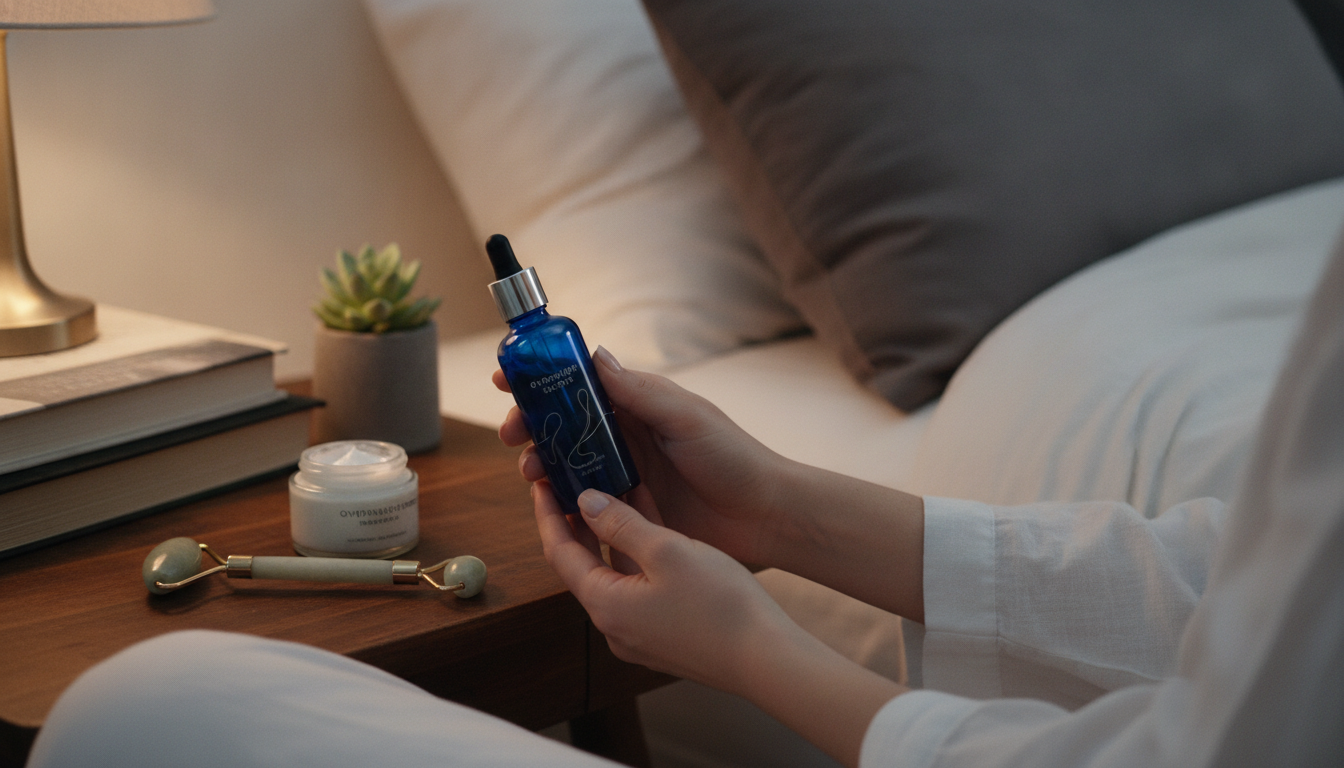
Overnight Secrets for Ageless Skin: An Anti-Aging Night Routine That Works
Nighttime is when skin shifts into repair mode: moisture loss rises, barrier recovery ramps up, and well-chosen products can work longer without sun and pollution getting in the way. A consistent routine—focused on gentle cleansing, targeted actives, and barrier support—can improve the look of fine lines, uneven tone, and dullness over time without feeling complicated.
Why nighttime can change how skin looks by morning
Skin doesn’t “reset” overnight, but it does behave differently while you sleep. Barrier recovery and natural turnover tend to be more active at night, which makes evenings a high-return window for replenishing moisture and using leave-on treatments.
Another reason mornings can look better with the right routine: transepidermal water loss increases at night, meaning skin can dehydrate more easily while you’re sleeping. Hydration plus a protective layer (a moisturizer, and in some cases an occlusive seal) can help you wake up looking calmer and less crepey.
Finally, fewer environmental triggers—especially UV exposure—can reduce the chance of irritation for certain actives. When introduced gradually, nighttime use often improves tolerance and consistency. For broad anti-aging guidance, the American Academy of Dermatology Association is a helpful reference: https://www.aad.org/public/everyday-care/skin-care-basics.
The non-negotiables: cleanse, treat, moisturize, protect the barrier
1) Cleanse gently
Remove sunscreen, makeup, and the day’s buildup without leaving skin tight. If you wore water-resistant SPF or heavy makeup, consider a double cleanse (oil cleanser first, then a gentle water-based cleanser). Otherwise, a single gentle cleanse is often enough.
2) Treat with purpose
Pick one main active at a time so results are measurable and irritation stays low. Retinoids help with lines and texture; exfoliating acids support smoother-looking skin; pigment-fading ingredients like azelaic acid can improve uneven tone and visible redness. If you’re new to retinoids, MedlinePlus offers a practical overview: https://medlineplus.gov/druginfo/meds/a682212.html.
3) Moisturize to match your skin type
Oily skin often does best with a lightweight lotion; dry or mature skin typically prefers a richer cream. Ingredients that support comfort and barrier function include ceramides, glycerin, hyaluronic acid, squalane, and niacinamide.
4) Seal (only if needed)
If you wake up flaky or tight, a thin layer of petrolatum or a balm on very dry areas can reduce overnight water loss. Keep it targeted (cheeks, around the mouth, or dry patches) rather than applying a heavy layer everywhere.
A simple night routine that stays consistent (and actually gets done)
The best routine is the one you repeat. Keep steps short, keep friction low, and avoid “fixing” everything in one night.
Step 1 — Cleanse (30–60 seconds)
Use lukewarm water, minimal rubbing, and pat dry with a clean towel. If skin is very sensitive, keep the second cleanse brief and gentle.
Step 2 — Hydrate (optional)
On slightly damp skin, apply a humectant serum (like glycerin or hyaluronic acid) or a hydrating toner. This step is especially useful in dry climates or if you use a retinoid.
Step 3 — Target (pick one)
Step 4 — Moisturize
Step 5 — Eye area (optional)
Step 6 — Lip and spot care
| Step | Goal | Examples | Frequency |
|---|---|---|---|
| Cleanse | Remove buildup without stripping | Gentle cleanser; oil cleanser first if heavy makeup/SPF | Nightly |
| Hydrate | Boost water content and comfort | Glycerin/HA serum; hydrating toner | Nightly or as needed |
| Treat (choose one) | Address lines, texture, tone | Retinoid; azelaic acid; AHA/BHA | Retinoid 2–4 nights/week to start; acids 1–3 nights/week |
| Moisturize | Support barrier and reduce dryness | Ceramides, niacinamide, squalane | Nightly |
| Seal (optional) | Reduce overnight water loss | Petrolatum on dry patches | As needed |
Ingredient strategy: pairing actives without irritation
Sleep, environment, and pillow habits that quietly age (or de-age) skin
- Consistent sleep timing: Irregular schedules can show up quickly as dullness and under-eye puffiness. If sleep has been off lately, the Sleep Foundation explains why steady sleep matters: https://www.sleepfoundation.org/how-sleep-works/why-do-we-need-sleep.
- Room humidity: Keep the bedroom cool; add a humidifier if you wake up tight or flaky, especially in winter or in air-conditioned rooms.
- Pillowcase hygiene: Change pillowcases regularly to cut down residue and friction that can aggravate acne and irritation.
- Reduce facial creasing: If you’re prone to sleep lines, consider smoother fabrics and avoid pressing your face into the pillow when possible.
Common mistakes that stall progress
A guided plan to build the routine over 14 nights
A ready-to-follow routine guide
For a step-by-step, printable approach, see Overnight Secrets for Ageless Skin: Anti-Aging Night Routine That Works. For a confidence boost that complements your self-care routine, Wear What Works Together – Color Matching Guide for Outfits, Personal Style, and Confident Everyday Dressing | Digital Download can help streamline daily choices so you’re more likely to stick with healthy habits.
FAQ
How long does it take for a night routine to show results?
Hydration and barrier steps often improve comfort and glow within 1–2 weeks. For noticeable changes in texture, fine lines, and tone, plan on 6–12 weeks depending on the active and how consistent you are.
Can retinol and exfoliating acids be used in the same night routine?
They’re usually better on separate nights, especially if you’re a beginner or your skin is sensitive. If you do combine them, keep strengths low, reduce frequency, and prioritize moisturizer to avoid irritation.
What should be avoided at night if skin is getting dry or irritated?
Pause strong actives, cut exfoliation frequency, and avoid hot water or harsh cleansers. Focus on ceramides and glycerin, and add a small amount of occlusive on dry patches until your barrier feels normal again.












Leave a comment