AI Moving Planner: Checklists, Packing & Timeline in Weeks
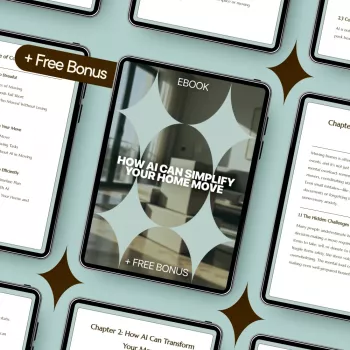
How AI Can Simplify Your Home Move: A Smart, Stress-Reducing Planning Guide
Moving has a way of turning simple decisions into dozens of small tasks: timelines, quotes, packing plans, address changes, and endless lists. AI tools can reduce the mental load by turning scattered details into checklists, schedules, and messages that stay organized from the first purge to the final utility shutoff. This guide breaks down practical ways to use AI for planning, packing, hiring help, and staying on top of paperwork—without losing control of the process.
What makes moving feel chaotic—and what AI handles well
The chaos usually isn’t one big problem—it’s the stack of tiny decisions that arrive all at once. You’re juggling an unclear timeline, comparing quotes, deciding what to keep, and trying not to forget “small” tasks like utilities, school records, subscriptions, and mail forwarding.
AI is strongest at turning messy inputs into structure. If you can describe what you know (dates, rooms, constraints, priorities), it can help you:
- Organize information into clear lists and categories
- Generate step-by-step plans and packing sequences
- Draft emails and texts to movers, landlords, and buildings
- Summarize options and convert notes into checklists
AI is not a replacement for judgment. Contract terms, valuation/insurance coverage, and handling high-value or delicate items still need careful review. When selecting a mover—especially across state lines—check official guidance like the Federal Motor Carrier Safety Administration (FMCSA) “Protect Your Move” resources.
Set up a simple move hub in 20 minutes
Start by creating one “move hub” where everything lives: your preferred notes app, a single doc, or a spreadsheet. Put the basics at the top so they’re always easy to find:
- Move dates and target times
- Old and new addresses (include unit numbers and gate codes)
- Building rules (move-in window, elevator booking, COI requirements)
- Parking permits/loading zones
- Pet and childcare plans
- Key contacts (super, leasing office, mover dispatcher, utility providers)
Then paste any messy notes you already have and ask AI to convert them into structured lists: “tasks by week,” “calls to make,” and “forms to gather.” Keep a running “open questions” list (COI requirements, move-in window, utility transfer timing), and ask AI to turn that list into a concise email to your building or landlord.
Use AI to build a timeline that matches your move style
AI planning works best when you choose your move approach upfront: DIY, hybrid (self-pack + movers), or full-service. Provide the number of rooms, any tricky items (piano, large sectional, standing desk), and your constraints (work schedule, school pickup, travel days, building restrictions). Ask for a timeline that fits your reality—not a generic “pack everything in a weekend” plan.
To reduce overwhelm, have AI convert the timeline into a daily “next 3 tasks” list. Keeping the list short helps you keep momentum, even on busy weeks.
AI-powered move timeline (example starting 4 weeks out)
| When | Focus | AI-assisted tasks |
|---|---|---|
| 4 weeks out | Plan + sort | Draft a room-by-room declutter list; create donation/sell schedule; generate a change-of-address and utilities checklist |
| 3 weeks out | Book + prep | Compare mover questions; draft quote request emails; create inventory categories (fragile, high-value, donate) |
| 2 weeks out | Pack strategically | Generate packing order by room; label plan (color + priority); create “open first” essentials list |
| 1 week out | Confirm + finalize | Create confirmation messages; summarize mover contract terms into a review checklist; plan move-day roles and timing |
| Move week | Execute + settle | Generate a move-day checklist; unpacking sequence; address update reminders; document photo checklist |
Packing made easier: labels, inventory, and essentials
Packing stress often comes from two gaps: not knowing what’s in each box and not knowing what you’ll need first. AI can help you create systems that stay consistent even when you’re tired.
Hiring movers or renting a truck: questions AI can prepare for you
Paperwork, addresses, and utilities without missing steps
For address changes, use official instructions from the U.S. Postal Service Change of Address page, and supplement with the broader USA.gov change-of-address guide for other agencies and services. AI can help by generating call/chat scripts for utilities and internet setup, and by converting your document list (lease, IDs, proof of insurance, move-in instructions) into reminders by date.
Smart ways to use the Smart Moving eBook
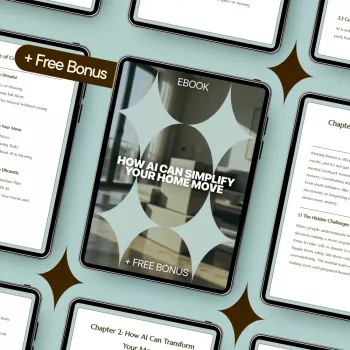
If you want a structured backbone instead of starting from scratch, the Smart Moving eBook: How AI Can Simplify Your Home Move can act like a master plan. Plug in your dates, then use AI to convert each section into weekly tasks, packing checklists, and short daily “next steps.”
Helpful add-ons for move week and settling in
- Elegant V-Neck Short Winter Coat for Women for cold-weather move days and early mornings coordinating deliveries.
- Wear What Works Together – Color Matching Guide (Digital Download) to streamline wardrobe decisions while your closet is still half-unpacked.
Avoid common AI mistakes during a move
FAQ
Which AI tasks help most during a home move?
Timelines, checklists, packing labels, and reminder systems reduce mental load the fastest. AI also helps by drafting messages to movers/buildings and organizing inventory into a consistent structure.
Is it safe to use AI for moving paperwork and logistics?
It’s generally safe when you use it for drafts and organization, not for storing sensitive identifiers. Avoid sharing account numbers or ID details, and verify contracts, building requirements, and insurance/valuation directly with official sources.
How can AI help with packing when time is limited?
Ask for a priority-based packing sequence by room, a minimal essentials kit list, and a simple labeling system you can follow without thinking. Then convert the plan into 30–60 minute daily micro-tasks so progress continues even on busy days.










Leave a comment