2–3 Person Far Infrared Wooden Sauna: Home Setup & Care
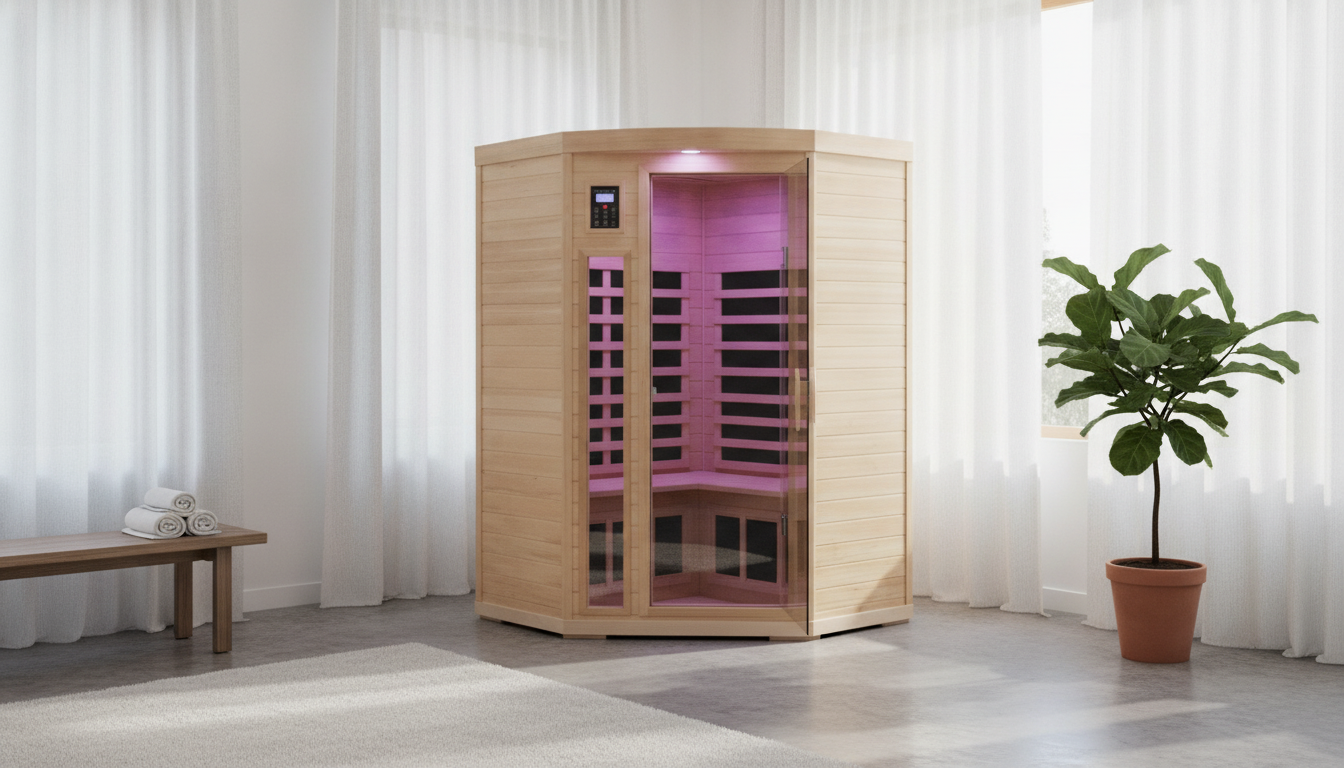
Far Infrared Wooden Sauna Room for 2–3 Person Home Use: Comfort, Setup, and Daily Use
A wooden far-infrared sauna room can bring consistent heat therapy into a home routine without the high air temperatures of traditional steam or hot-rock saunas. The experience tends to feel warm and steady rather than “blast furnace” hot, which makes it easier for many people to build a consistent habit. Below is a practical guide to what a 2–3 person home unit is like to own, how to plan your space and power, what to expect during sessions, and how to keep the wood and heaters in good shape over time.
What a 2–3 person far-infrared wooden sauna room is (and how it feels)
Far-infrared models use heating panels that warm your body more directly than they heat the surrounding air. In everyday use, that often means the cabin feels comfortable at lower temperatures than a traditional sauna, while still delivering a deep, “soak-in” warmth.
A 2–3 person cabin is typically designed for two adults to sit with comfortable elbow room, with the option to fit a third person depending on bench depth and body size. Many owners treat the “extra” capacity as bonus space for stretching, shifting positions, or sharing a session without feeling crowded.
The wooden cabin isn’t just about looks—wood helps buffer temperature swings and creates a familiar sauna atmosphere. Ventilation still matters, though: even gentle heat can feel stuffy without an adjustable vent or a small exchange of fresh air.
Potential benefits and realistic expectations
Warmth exposure and quiet time can support relaxation, especially when the session becomes a consistent routine (no phone, no rushing). Many people also enjoy infrared sessions after workouts as a soothing way to unwind—hydration and cooldown are essential parts of that routine.
Sweating can feel cleansing, but it’s best to avoid overstated “detox” promises. A more grounded goal is comfort, recovery habits, and consistency. If you’re comparing sauna styles or wondering about general pros and cons, the Cleveland Clinic’s overview of infrared saunas is a helpful starting point, and Mayo Clinic’s sauna guidance covers broad considerations and safety notes.
Results vary by person, health status, and how often you use the sauna. A smart approach is to start short, pay attention to how you feel during and after, and build tolerance gradually.
Key features to look for in a home wooden infrared cabin
Heating layout
Panel placement affects how evenly you feel warmth across your back, sides, and legs. If you tend to feel cold in your feet or lower legs, look for a layout that includes lower-zone heating rather than concentrating everything at torso height.
Wood quality and finish
Smooth interior surfaces are more comfortable against bare skin and easier to wipe down. A door that closes evenly (with a consistent seal) helps the cabin hold heat and reduces rattles or gaps that can develop if panels aren’t aligned well.
Controls, timer, and usability
Clear temperature and time controls make it easier to repeat the same session day to day. A predictable routine is often more useful than constantly chasing the highest setting.
Lighting, small accessories, and ventilation
Interior lighting, a small shelf for water, and hooks for towels sound minor, but they make regular use easier. An adjustable vent helps prevent the cabin from feeling stagnant and can help the wood dry out between sessions.
Space planning and installation considerations for home use
Pick a location with stable, level flooring and enough clearance for the door swing, roof height, and ventilation. Before ordering, measure the intended spot and compare it to the sauna’s assembled footprint—not the shipping box size—and leave a little breathing room for wiring access and minor maintenance.
| Checkpoint | Why it matters | What to confirm |
|---|---|---|
| Floor space + clearance | Prevents door and panel interference | Room dimensions, door swing clearance, walking space |
| Ceiling height | Avoids tight fit and heat buildup against ceiling | Assembled height + extra headroom |
| Power availability | Reduces risk of overloaded circuits | Voltage, amperage, outlet type, dedicated circuit needs |
| Ventilation path | Improves comfort and protects the wood | Vent position, ability to crack a door/vent, room airflow |
| Access for delivery/assembly | Avoids surprises on delivery day | Doorway width, stair turns, packaging size |
How to use it: session length, temperature comfort, and cooldown
Care, cleaning, and wood preservation
Who it fits best and how to decide if a 2–3 person cabin is worth it
Featured picks available now
- Far Infrared Wooden Sauna Room for 2-3 Person Home Use — a dedicated wooden cabin option for at-home infrared sessions with room to sit comfortably (and space to spare).
- Elegant V-Neck Short Winter Coat for Women — a cozy layer for post-session cooldowns when you want to stay warm without overheating.
- Wear What Works Together – Color Matching Guide (Digital Download) — a simple off-screen-friendly reset for downtime after your routine.
FAQ
How long should a far-infrared sauna session be at home?
Start with 10–20 minutes and increase gradually over a week or two if you feel comfortable. Hydrate before and after, and stop if you feel dizzy, nauseated, faint, or otherwise unwell.
Do far-infrared saunas use a lot of electricity?
Electricity use depends on the heater wattage and how long you run each session. Check the unit’s voltage/amp specs, and consider whether a dedicated circuit is recommended for consistent performance and safety.
Is a wooden infrared sauna hard to maintain?
Maintenance is usually straightforward: sit on a towel, wipe surfaces after use, and air the cabin out by leaving the door open to dry. Avoid harsh cleaners, and occasionally check hinges and door seals so everything closes evenly.











Leave a comment