Help Shy Pets Feel Brave: A Gentle 14-Day Plan
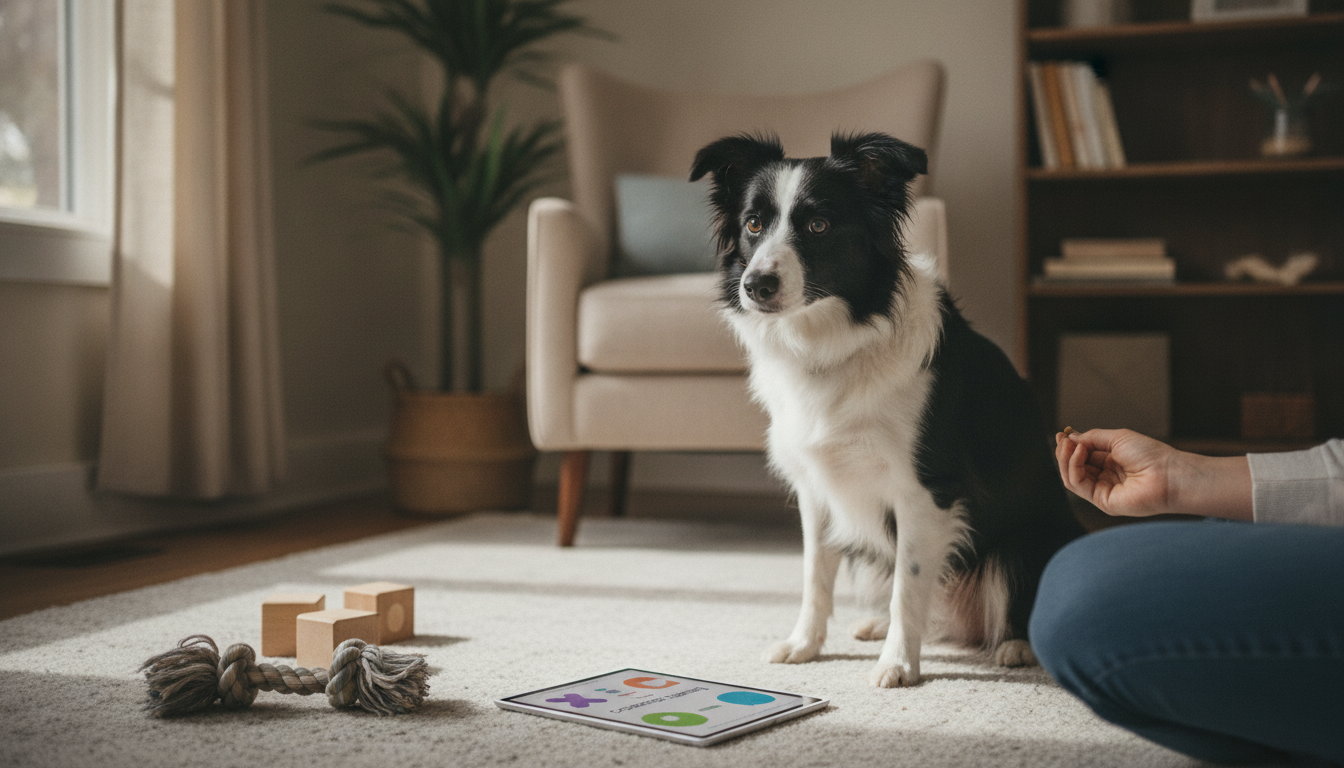
Confidence Building for Shy and Timid Pets: Gentle Steps Toward Calm, Brave Behavior
Shy and timid pets aren’t being “stubborn” or “difficult”—they’re trying to stay safe in a world that feels unpredictable. With the right setup, small daily routines, and reward-based training, most pets can learn to explore more, recover faster from surprises, and enjoy richer interaction without being pushed past their comfort.
What Shyness Looks Like (and What It Can Be Mistaken For)
Timidity can be obvious (bolting to a hiding spot) or subtle (quietly avoiding attention). Common signs include hiding, freezing, backing away, a tucked tail, low body posture, avoiding eye contact, hesitant movement, strong startle responses, and refusing treats in unfamiliar places.
Shyness is often mistaken for “not listening.” A pet may ignore cues because fear blocks learning and focus. Comfort comes first; reliability tends to follow once the pet feels safe enough to think.
Also watch for the difference between shutdown and calm. Stillness isn’t always relaxation—tight muscles, shallow breathing, pinned ears, or a fixed stare can signal “overwhelmed.” Shy behavior often spikes around visitors, leash walks, grooming, car rides, loud appliances, slippery floors, other animals, and veterinary settings.
Start With the Environment: Safety First, Confidence Second
Before training plans and exposure exercises, set the stage so your pet can succeed.
Create a predictable safe zone
Choose a quiet room or corner with a covered crate/bed, fresh water, and a chew or long-lasting lick. Make a consistent household rule: no one bothers the pet in this spot. Safety is the foundation that allows curiosity to return.
Reduce pressure and give real choice
Let your pet approach at their own pace. Avoid reaching over the head, cornering, or forcing greetings. If your pet wants to observe from behind you or behind a gate, that counts as participation.
Control triggers to prevent “panic practice”
Use distance, baby gates, and calm entry/exit routines so your pet isn’t repeatedly pushed into full fear. Rehearsing panic makes fear stickier; preventing it makes progress faster.
Choose enrichment that calms instead of overwhelms
Snuffle mats, scatter feeding, lick mats, and gentle puzzle toys build problem-solving skills without social pressure. These activities also promote sniffing and licking—two behaviors that can help many pets self-regulate.
Gentle Training Foundations That Build Brave Behavior
Reinforce tiny acts of curiosity
Reward micro-moments: one step forward, a sniff, looking toward a sound, choosing to remain in the room, or returning after a startle. Mark the moment (with a clicker or a consistent word like “yes”) and deliver the reward quickly.
Use consent-based handling
Instead of holding your pet still and “getting it over with,” try: brief touch → treat → pause. If avoidance increases, stop and reset. Trust grows when your pet learns their signals are respected.
Keep sessions short and end early
Match rewards to the situation
Add predictability cues
A Practical 14-Day Confidence Plan (Small Wins, Measurable Progress)
Days 1–3: stabilize
Days 4–7: micro-exposure
Days 8–10: simple skills that create control
Days 11–14: expand gradually
Track progress with three daily signals
Reading Stress Signals and Choosing the Right Response
Avoid common confidence killers: flooding (forcing exposure until the pet “gives up”), punishment, and unpredictable handling. Aim for “curious but cautious” sessions—if your pet can take treats and re-engage, the level is likely workable. For additional guidance on humane, reward-based approaches, see the AVSAB position statements and the ASPCA overview of fear and anxiety.
Body Language Guide: What It Often Means and What to Do Next
| Signal | What It Often Indicates | Supportive Next Step |
|---|---|---|
| Freezing or stiff posture | Over threshold; unsure how to escape | Pause, increase distance, offer a treat scatter away from the trigger |
| Refusing treats | Stress too high or reward too low | Move farther away, switch to higher-value food, shorten the session |
| Hiding or escaping | Needs safety and control | Respect the retreat; reinforce calm in the safe zone; plan gentler exposures later |
| Whale eye / wide eyes | Discomfort and conflict | Stop handling; give space; reintroduce touch with consent-based steps |
| Soft body + sniffing | Regulating; curious | Reward exploration; keep exposure brief and end on a win |
Common Situations: Calm Protocols That Prevent Setbacks
Visitors
Walks
Grooming and nail care
Car and vet
When Extra Help Is Needed
A Practical eBook for Step-by-Step Confidence Building
If a clear structure helps you stay consistent, Confidence Building for Shy and Timid Pets – Practical eBook Guide for Confidence Building for Shy Pets, Gentle Training, Calm Behavior, and Happier Companions lays out repeatable routines and progressive exercises designed for timid pets and common fear triggers—without harsh methods.
For additional confidence-focused digital guides that fit into busy routines, you may also like Wear What Works Together – Color Matching Guide for Outfits, Personal Style, and Confident Everyday Dressing | Digital Download and Used Car Lemon Law: Knowing Your Rights – A Comprehensive Guide for Consumers.
FAQ
How long does it take for a shy pet to become more confident?
Many pets show measurable changes in a few weeks, but deeper confidence often takes months. Progress depends on history, genetics, consistency, and how intense the triggers are; look for faster recovery, more willingness to eat, and more voluntary engagement rather than a sudden personality flip.
Should a shy pet be pushed to face fears to “get used to it”?
Forcing exposure can backfire by overwhelming the pet (often called flooding), which can make fear stronger and reduce trust. Gradual desensitization and counterconditioning work better: stay at a distance where your pet can eat, can notice the trigger, and can disengage without panicking.
What treats or rewards work best when a pet is nervous?
Use high-value, soft, smelly treats in tiny pieces so rewards are quick and easy to swallow. Some pets prefer play or sniffing games, but if food is refused, the situation is usually too stressful—create more distance or lower the difficulty first.











Leave a comment