Stage Calm Checklist: Beat Performance Anxiety in 3 Phases
What Performance Anxiety Feels Like (and Why It Spikes Right Before You Go On)
Performance anxiety rarely shows up as a single emotion. More often, it arrives as a full-body event: a fast heartbeat, dry mouth, trembling hands, nausea, tight chest, a suddenly “blank” mind, or harsh inner commentary that insists you’re about to mess up. These reactions can feel alarming—but they’re also common.
The spike right before you step on stage (or start the meeting, audition, recital, or interview) makes sense: anticipation plus perceived evaluation plus uncertainty flips the body’s stress response on. The brain reads the moment as high-stakes and social, then pushes out adrenaline to prepare you to act. According to the American Psychological Association, stress can affect the body in immediate, physical ways—so the sensations are real, even when you’re well-prepared.
A helpful reframe: adrenaline is performance fuel. The goal isn’t to erase nerves; it’s to steer them into focus, pacing, and presence using a repeatable structure.
Stage Calm: What the Checklist Helps You Do
When someone says “just relax,” the brain hears a vague instruction with no handles. A checklist gives you handles—simple actions you can repeat until they feel familiar.
- Create a consistent pre-performance routine so your brain recognizes, “I’ve done this before.” Familiarity lowers threat.
- Reduce cognitive load by pre-deciding what you’ll do when nerves hit (instead of improvising under pressure).
- Shift attention from self-judgment to controllables: breath, posture, pace, and the next line or next note.
- Build confidence through repetition: the same steps work across talks, auditions, meetings, recitals, and interviews.
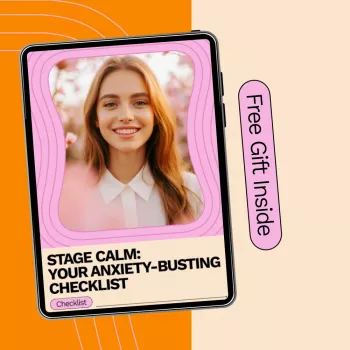
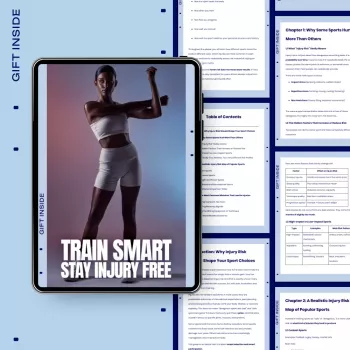
If you want a ready-to-use version you can keep on your phone or print, Stage Calm: Your Anxiety-Busting Checklist – Overcome Performance Anxiety with Confidence is designed for quick reference, especially when you don’t want to think—you just want to do the next right step.
The 3-Phase Calm Plan: Before, During, After
This plan works because it matches how anxiety behaves: it rises in anticipation, surges during exposure, and leaves an aftertaste that can shape the next attempt. Use all three phases to keep your brain from storing “that was dangerous” as the final takeaway.
Quick Routine Map (Use as a One-Page Reference)
| Time | Body | Mind | Action |
|---|---|---|---|
| 24–2 hours before | Light movement + hydration | Simplify your goal to one sentence | Confirm materials, clothes, timing, and backup plan |
| 15–5 minutes before | Box breathing or longer exhales | Name the feeling without fighting it | Rehearse the first 20 seconds; set one anchor cue |
| On stage / in the room | Relax jaw/shoulders; slow pace | Focus on the next step, not the whole performance | Use a micro-reset: pause, exhale, continue |
| 0–10 minutes after | Downshift with breathing | Separate facts from feelings | Write 3 wins + 1 tweak for next time |
Build Your Personal “First 20 Seconds” Script
The first moments are where anxiety loves to ambush you—so make them automatic. Your “first 20 seconds” is a reliable opening you can execute even when nervous: the first sentence, first chord, first slide, first question, or first movement phrase.
- Choose an opener you trust. Pick something simple and strong, not clever and fragile.
- Over-practice the opening. Repetition reduces freeze risk because your body can run the script while your mind catches up.
- Add one grounding behavior. Feet planted, a gentle smile, or one slow exhale before the first word/note.
- Use a cue phrase. Examples: “Slow is smooth,” “One line at a time,” “Connect, don’t impress.”
Small detail, big impact: decide where your eyes go at the start (a friendly face, the back wall, the top row). A stable gaze helps stabilize your breath and pacing.
In-the-Moment Rescue Tools (When Anxiety Surges Mid-Performance)
Even with preparation, surges happen. The win is having a recovery plan that looks (to others) like composure.
Confidence That Lasts: Practice Routines Between Performances
For a practical, confidence-boosting add-on, what you wear can reduce one more uncertainty. If outfits stress you out, Wear What Works Together – Color Matching Guide for Outfits, Personal Style, and Confident Everyday Dressing can help you pre-plan combinations so you’re not second-guessing yourself on the day.
Who This Checklist Fits Best (and How to Use It Fast)
If part of your calm comes from feeling polished and warm on arrival, a structured outfit choice can help. The Elegant V-Neck Short Winter Coat for Women is a simple option for cold-weather events where you want to look put-together without overthinking layers at the door.
When to Get Extra Support
Checklists and skills go a long way, but extra support is a smart next step when anxiety becomes limiting. Consider professional help if you’re having panic attacks, avoiding opportunities, or your symptoms interfere with work or school. Evidence-based options include CBT, exposure-based coaching, and performance skills training. For an overview of anxiety disorders and treatment approaches, the National Institute of Mental Health is a reliable reference.
FAQ
How long does it take to reduce performance anxiety?
Breathing and a routine can bring noticeable relief the same day, but stronger confidence usually builds after repeated low-stakes practice and several real performances. Progress often looks like faster recovery, not zero nerves.
What if anxiety makes the mind go blank on stage?
Use a pre-planned recovery: pause, take a longer exhale, return to one anchor cue (feet, breath, gaze), then restart with the next line/next point. A heavily practiced opening or transition phrase can also “reboot” your flow.
Is it normal to feel anxious even when well-prepared?
Yes—anxiety is common and can exist alongside solid preparation. The aim is regulation and direction: using structure to channel energy into pacing, clarity, and connection.







Leave a comment