Walk in Heels Without Pain: Fit, Prep & Technique
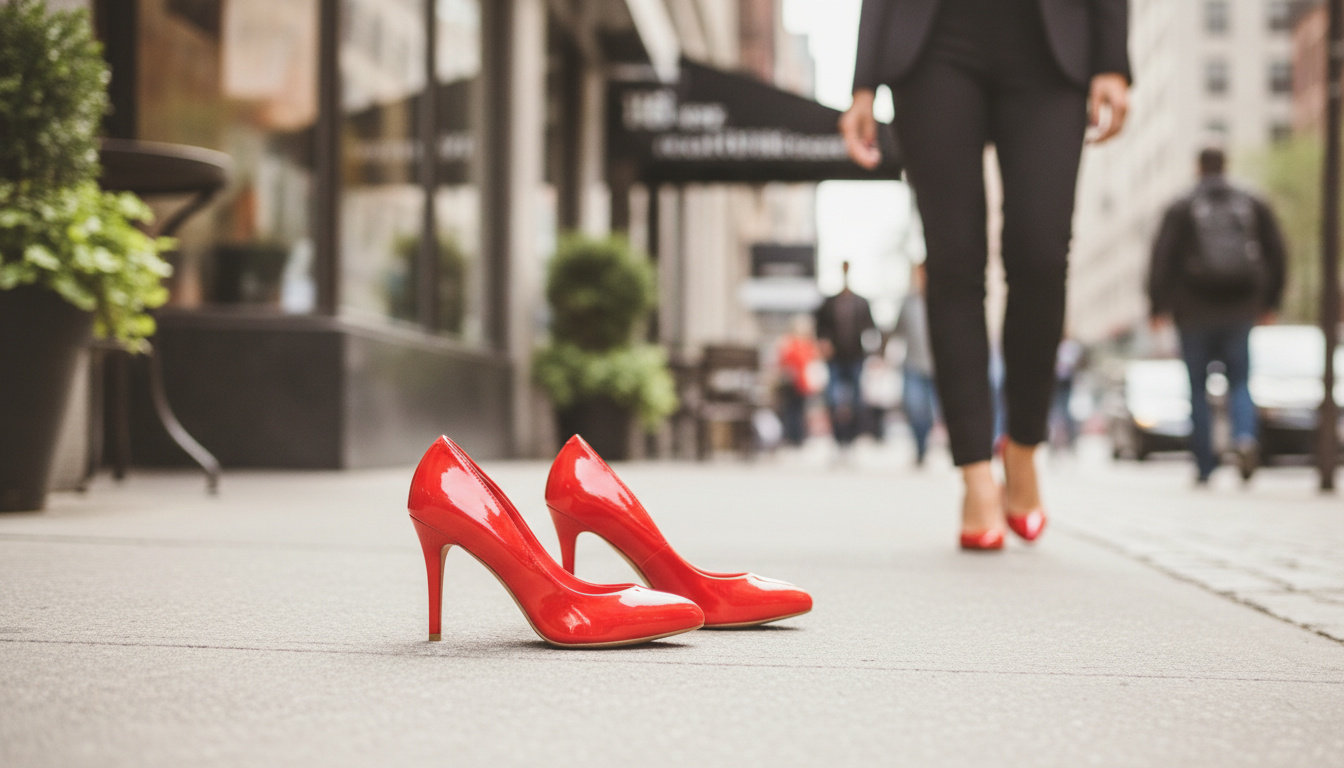
Strut Smart: Pain-Free Heels Made Easy
Heels can look polished while still feeling manageable—when fit, posture, and pacing work together. The discomfort most people blame on “just not being a heels person” usually comes down to a few fixable factors: how pressure shifts in the foot, how stable the shoe is, and how you move in it. Use the steps below to choose smarter heels, prep them properly, and walk with less forefoot burn and more control from the first step to the last dance.
Why heels hurt (and what’s really happening)
Heels change your body mechanics. As the heel lifts, body weight shifts forward, increasing pressure on the ball of the foot and toes. If the toe box is narrow, the forefoot gets crowded—often leading to hotspots, numbness, or rubbing along the pinky-toe side.
Heel height isn’t the whole story; pitch matters too. A steep angle can overload calves and arches, making your lower leg feel tight and your midfoot work overtime. Stability also plays a huge role: thin heel tips and slick soles force constant micro-corrections, fatiguing ankles and making you tense your toes. Finally, fit problems multiply everything—sliding causes friction (blisters), while overly tight areas can compress nerves and soft tissue.
If pain is persistent, worsening, or accompanied by swelling or numbness that doesn’t resolve after removing the shoes, consider checking reputable foot-health guidance from the American Podiatric Medical Association (APMA) or a clinician.
Choose heels that feel better before they look better
Start with fit and stability, then style. A supportive heel counter, minimal heel slip, and enough toe room to wiggle can make a bigger difference than adding padding later. For long events, a slightly wider heel base (block heel or sturdy stiletto) reduces wobble and ankle strain. Cushioning under the forefoot helps with pressure, and a flexible (not flimsy) sole should bend at the ball of the foot—right where your foot naturally needs to roll.
When the heel is high, a platform can reduce the effective pitch (the true angle your foot experiences), easing load on the forefoot and calves. For weddings, conferences, or nights out, it’s also smart to plan a backup pair for commuting and breaks.
Heel choices that reduce pain and fatigue
| Feature | Why it helps | What to look for |
|---|---|---|
| Wider heel base | Improves balance and reduces ankle overwork | Block heel, sturdy stiletto, non-wobbly heel tip |
| Roomier toe box | Reduces toe compression and rubbing | Enough width for toes to lie flatter; avoid severe point-toe for long wear |
| Cushioned forefoot | Lowers pressure on the ball of the foot | Built-in padding or space for a thin insert |
| Grippy outsole | Cuts down on slipping and tense gait | Textured rubber or professionally added traction |
| Moderate pitch/platform | Less strain on calves and forefoot | Platform that meaningfully reduces the angle, not just height |
Prep before wearing: small steps that prevent big pain
Breaking in heels is less about “toughening up” and more about letting materials flex where you need them. Do short indoor sessions first, then brief outings; avoid making an all-day event your first test. Keep feet moisturized for resilience, but skip heavy lotion right before wearing to prevent sliding.
Use targeted protection where rubbing starts—common zones include the heel, the ball of the foot, and the outer forefoot near the pinky toe. If your soles are slick, add traction; slipping makes you grip with your toes and tighten calves. For events, a mini kit pays off: blister cover, moleskin or tape, a spare gel pad, and a small bandage. For blister basics and care, the Cleveland Clinic’s blister guide is a useful reference.
How to walk in heels without pain: technique that works
Better walking starts before you move. Stand tall with your ribcage stacked over your pelvis, shoulders relaxed, and chin level—this reduces forward tipping that dumps weight into the forefoot. Lightly engage your core and glutes to stabilize your pelvis and avoid over-arching your lower back.
Then adjust your stride. Take shorter steps than you would in flats; long strides increase instability and force the front of the foot to catch you. Aim for a controlled heel-to-toe roll: place the heel down first, then roll through the ball of the foot rather than landing toe-first. Keep your feet on two close “rails” (not a tight crossover). A slight inward/outward placement that feels natural can reduce wobble.
Common pain spots and quick fixes
Ball of foot burning: Add a thin metatarsal pad or forefoot cushion, shorten your stride, and take seated breaks to reset pressure. If pain persists beyond the event, review guidance on when to seek care through resources like the Mayo Clinic’s foot pain overview.
Build heel stamina: a simple practice plan
Make it easier with a step-by-step guide you can follow
- Strut Smart: Pain-Free Heels Made Easy – A Complete Guide on How to Walk in Heels Without Pain
- Wear What Works Together – Color Matching Guide for Outfits, Personal Style, and Confident Everyday Dressing | Digital Download
- Elegant V-Neck Short Winter Coat for Women
FAQ
How long does it take to get comfortable walking in heels?
Most people notice improvement within a week of short, consistent practice sessions. Comfort depends heavily on fit, heel height/pitch, and how quickly your calves and feet build endurance.
Are platforms better than stilettos for reducing pain?
Platforms can reduce the effective angle under your foot, which often lowers forefoot pressure. Stability still depends on the heel base, secure fit, and having enough outsole grip to prevent slipping.
What should be done if toes go numb in heels?
Numbness usually means your toes are being compressed. Loosen straps if possible, switch to a wider toe box, reduce wear time, and avoid forcing a tight fit that crowds the forefoot.











Leave a comment