Stop Splitting Nails Naturally: 7-Day Nail Rescue Plan
Nail Rescue: Stop Splitting Naturally – Ultimate Guide to Healthy, Strong Nails
Splitting nails are often a sign of repeated stress, dehydration, or gaps in daily nail care. A few targeted changes—gentle handling, consistent moisture, smart trimming, and supportive nutrition—can help nails grow smoother, stronger, and less prone to peeling. The goal isn’t perfection overnight; it’s creating a routine that stops daily damage so new growth has a chance to come in healthier.
Why nails split and peel
Your nail plate is made of layered keratin. When those layers dry out or get repeatedly stressed, they can separate—showing up as peeling at the tips, snagging edges, and splits that creep upward.
Most common triggers
- Chemical exposure: frequent handwashing, alcohol-based sanitizers, acetone remover, harsh detergents, and repeated soaking/drying cycles can strip moisture.
- Mechanical damage: picking, biting, aggressive filing, over-buffing, and using nails as tools create micro-tears that become visible splits.
- Environmental stress: cold weather and low humidity increase brittleness, especially when hands aren’t moisturized consistently.
- Health-related considerations: thyroid issues, anemia/iron deficiency, eczema/psoriasis, and certain medications can affect nail quality. Persistent, painful, or sudden changes are worth discussing with a clinician.
Fast clues: likely causes and practical fixes
| What you notice | Likely cause | What to do this week |
|---|---|---|
| Peeling at the tips in thin layers | Dehydration + repeated wet/dry cycles | Moisturize after every wash; wear gloves for dishes; apply a nail oil nightly |
| Vertical splits that catch easily | Mechanical stress + length too long for daily use | Trim shorter; file in one direction; avoid picking and prying |
| Soft, bendy nails | Overexposure to water/chemicals; low protective barrier | Limit soaking; use a gentle remover; add a strengthening base coat |
| Rough, ragged edges | Aggressive filing or brittle ends | Switch to a fine-grit file; seal the free edge; stop buffing daily |
| Sudden major changes in color/shape | Possible infection or medical condition | Pause DIY fixes; consider dermatology evaluation |
The 7-day reset plan for smoother, stronger tips
If your nails are catching on everything, a short “reset” can reduce immediate damage while you rebuild a moisture barrier.
Day 1–2: Shape for survival
- Cut nails to a practical length (shorter means less leverage and fewer tears).
- Remove snags right away; don’t wait for “later” when they’ll rip.
- Lightly round corners to reduce catching on hair, fabric, and pockets.
Day 1–7: Moisture + protection every day
- Moisture routine: apply hand cream after washing and a nail/cuticle oil at bedtime.
- Barrier protection: wear gloves for dishes, cleaning, gardening, and any detergent contact.
- Reduce chemical stress: skip acetone when possible; avoid peeling-prone gel removal at home.
- “No tool” rule: don’t open cans, scrape labels, or pry with nails—use a key, spoon edge, or mini tool.
- Track progress: look for fewer snags, less peeling, and nails that feel less papery.
Daily habits that prevent splitting
- Moisturize strategically: focus on cuticles and sidewalls where cracks often start.
- Wash gently: use mild soap and lukewarm water; pat dry instead of rubbing aggressively.
- After sanitizer: reapply moisturizer (keep a small tube at your desk, car, and near sinks).
- File smarter: choose a fine-grit file; file in one direction rather than sawing back and forth.
- Limit buffing: over-buffing thins the nail plate and can make peeling worse.
- Stay slightly shorter during repair: less length means fewer splits while new growth replaces damage.
Natural strengthening strategies that actually help
Topicals help quickly with flexibility and surface dryness, but true strength mostly comes from preventing damage and supporting consistent growth.
Nutrition and smart supplements
- Protein and minerals: nails are keratin-based, and steady dietary protein supports growth over time.
- Iron, zinc, and B vitamins: deficiencies can show up as brittle nails; if symptoms persist, consider discussing testing with a clinician.
- Biotin: may benefit brittle nails for some people, but results vary and typically take weeks to months. It can also interfere with certain lab tests, so timing and clinician guidance matter.
- Hydration: steady fluid intake supports overall skin and nail health (helpful long-term, not an instant fix).
Oils that support flexibility
For more background on healthy nail practices, see the American Academy of Dermatology Association’s nail care basics and the Mayo Clinic guide on what nails can reveal about health. If you’re considering biotin, review the NIH Office of Dietary Supplements biotin fact sheet.
What to avoid while nails recover
A simple at-home routine to maintain healthy nails
Quick support with a step-by-step guide
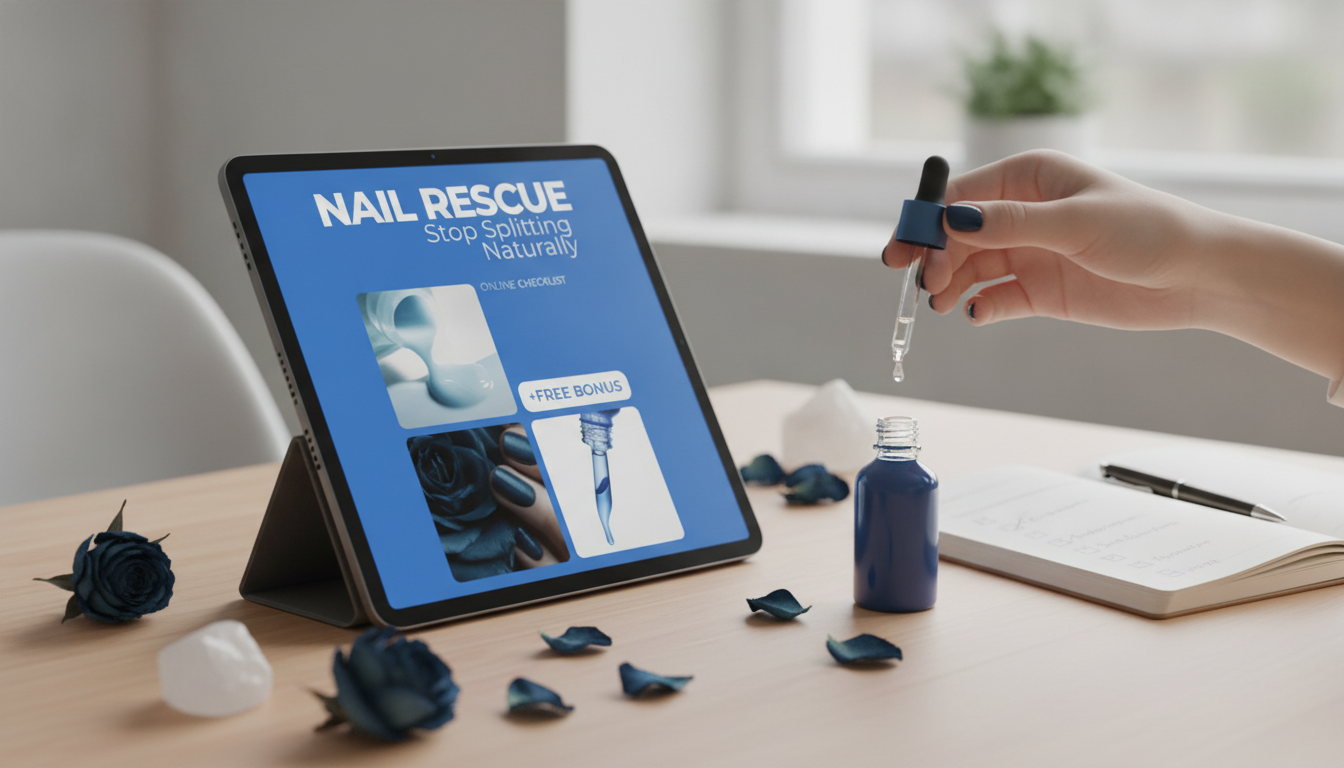
- Nail Rescue: Stop Splitting Naturally – Ultimate Guide to Healthy, Strong Nails (digital guide) helps simplify weekly upkeep and daily habits so you’re not guessing what to do next.
- Wear What Works Together – Color Matching Guide for Outfits, Personal Style, and Confident Everyday Dressing is a helpful add-on if you’re building a streamlined self-care routine that includes polished, pulled-together everyday style.
Download the Nail Rescue guide for a simple weekly routine and checklists that you can reference quickly at the sink, vanity, or while traveling.
FAQ
How long does it take for splitting nails to improve?
You may notice fewer snags and less peeling within 1–2 weeks once you moisturize consistently and protect nails from water and detergents. Fully growing out damaged areas typically takes months, depending on your nail growth rate.
Does biotin help with brittle or peeling nails?
Biotin can help some people with brittle nails over time, but results vary and it’s not a quick fix. If you’re pregnant, managing health conditions, or planning lab testing, discuss biotin use with a clinician first.
When should a doctor check nail splitting?
Consider an evaluation if changes are sudden, severe, painful, involve discoloration or lifting, or persist despite gentle care. A clinician can check for infection, inflammation, or underlying conditions that affect nail quality.









Leave a comment